Whether you’re shipping standard pallets or large industrial equipment, learn about the wide range of freight solutions we offer to meet any challenge.

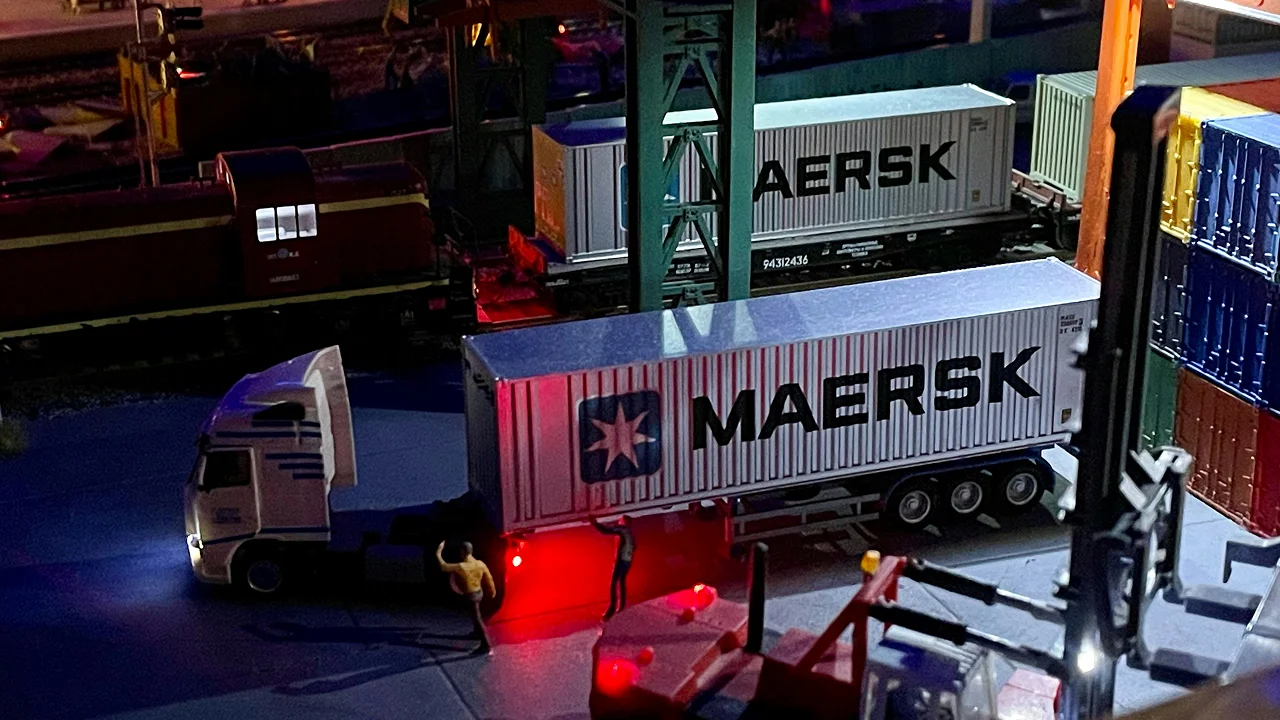
Using the wrong freight method isn’t just inefficient; it wastes money, creates dock delays, and risks damaging your cargo. Finding the right freight option comes down to matching your cargo’s exact size, weight, and handling needs with the right trailer and shipping protocol. Here is a breakdown of the primary freight options available and how to choose the right fit for your supply chain.
No shipment is too small or too complex. Whether it's a single pallet or an entire fleet of oversized units, we deliver freight solutions that fit your business. Because your cargo deserves the right service, not just the closest one.
John Collins
Less-Than-Truckload (LTL): Cost-Effective for Smaller Shipments
If you need to ship anywhere from one to six pallets, booking an entire 53-foot trailer isn’t cost-effective. That is where Less-Than-Truckload (LTL) shipping comes in.
With LTL, your freight shares trailer space with cargo from other shippers heading along a similar route. You only pay for the specific space and weight your shipment occupies.
Full Truckload (FTL): Speed and Dedicated Capacity
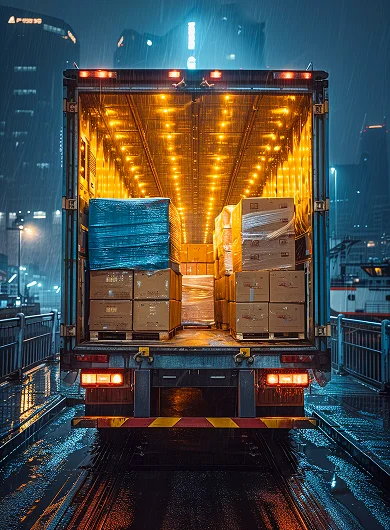
When your cargo volume fills an entire trailer (or when you require a direct, uninterrupted trip), Full Truckload (FTL) is the standard choice.
With FTL, the entire trailer is dedicated exclusively to your goods. Once the doors are sealed at your dock, the truck drives directly to the destination without stopping at intermediate terminals or shifting cargo.

Flatbed Shipping: Built for Unusually Shaped and Heavy Freight
Not all cargo fits neatly behind the roll-up doors of a standard dry van. If your load needs to be crane-loaded from above or side-loaded with a forklift, flatbed trailers provide the open-air capacity required.
Flatbeds feature an open deck with no sides or roof, making them ideal for heavy, bulky, or irregularly shaped industrial goods.
Temperature-Controlled (Reefer) Transport
Some shipments require strict temperature regulation from the moment they leave the dock until final delivery. Refrigerated trailers (often called “reefers”) feature built-in cooling systems to maintain exact internal environments.
Reefer units don’t just keep things cold. Modern units can freeze, chill, or even heat trailer interiors depending on what the cargo demands.
Shipping Template
A single pallet of electronics needs a completely different strategy than a 40-ton piece of industrial manufacturing equipment
Their separate existence is a myth. For science, music, sport, etc, Europe uses the same vocabulary. The languages only differ in their grammar, their pronunciation and their most common words. Everyone realizes why a new common language would be desirable: one could refuse to pay expensive translators.
To achieve this, it would be necessary to have uniform grammar, pronunciation and more common words. If several languages coalesce.
Oversized and Heavy Haul
When cargo exceeds standard legal weight and dimension limits (typically anything over 80,000 pounds gross weight, 8.5 feet wide, or 13.6 feet high), standard freight options are no longer an option. Oversized and heavy haul transport requires specialized equipment like lowboys, step-decks, or multi-axle heavy haulers.
Moving oversized cargo is less about basic driving and more about complex logistics management.